
From the archive
How the High School Diploma Can Restore Its Credibility
Despite soaring education costs, literacy among young people is declining. Education expert Bruno V. Manno explains how diplomas became detached from actual skills while offering a practical blueprint—informed by encouraging stories from across the country—for reversing the decline.
How does a wealthy nation like the United States, which spends more per K-12 and post-secondary student than almost any of its peers, end up with young adults who cannot reliably read a news article, interpret a workplace memo, or follow written instructions?
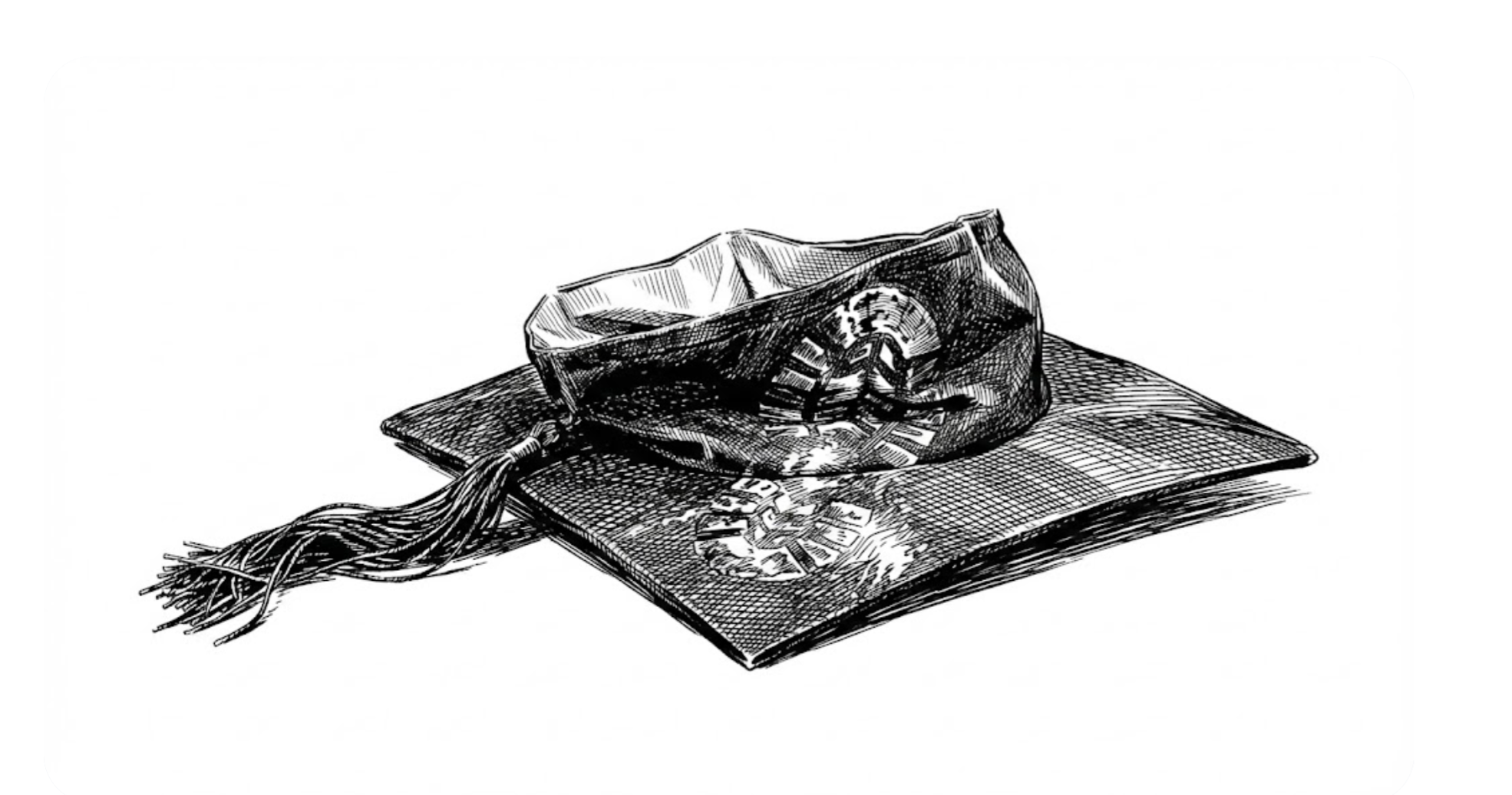
One answer is that the link between credentials and skills is broken. Over the last decade, as the country’s leaders have increasingly conflated graduation metrics with academic achievement, the number of diplomas climbed even as literacy plummeted.
As Mark Schneider, the former director of the federal Institute for Education Sciences (IES) and commissioner of the National Center for Education Statistics, observes, “But even as more money gets poured into our education system, student performance has not improved.”
To see what is being lost, it helps to be clear about what “literacy” means in practice. IES, the federal education research agency, distinguishes between task-based and skills-based definitions of literacy: the former emphasizes the everyday reading demands adults face at work, at home, and in the community, while the latter focuses on the underlying knowledge and abilities required to meet those demands, from basic word recognition to higher-level skills such as drawing appropriate inferences from continuous text.
With those definitions in view, the scale of the problem becomes harder to dismiss. In 2024, IES released an alarming report showing that nearly one in three U.S. adults struggle with basic reading tasks, with the steepest declines concentrated among young adults who most recently completed the K-12 system and entered college or the workforce.
The rest is for members.
All proceeds go toward publishing more writers and poets.
Free for 30 days, then $3 a month
Become a member