
From the archive
Why We Should Reacquaint Ourselves with William Blake
Mark Vernon, the author of a recent book on William Blake, urges us to rediscover the wisdom contained in the writings and artwork of the great British polymath.
William Blake, who lived from 1757 to 1827, was born into a world in turmoil, not unlike our own. He was a poet and painter, now often linked with figures from the Romantic movement, including William Wordsworth, John Keats, and Percy Bysshe Shelley. Ralph Waldo Emerson later praised Blake for displaying “abnormal genius.” However, there was barely a year in Blake’s life unspoiled by what, in his long poem, Vala, or The Four Zoas, he called “thunder smoke & sullen flame & howling & fury & blood.” In particular, he lived through the American War of Independence, the French Revolution, and the Napoleonic Wars, which killed untold numbers across Europe and the New World.
Life in Britain was marked by strife, too. His hometown of London was the booming heart of the British Empire. New ideas and influences came to England’s capital alongside wealth, and this included religious ideas from India, as well as encounters with Indigenous Americans. These stirred Blake’s interest in alternatives to the deepening materialism of the times, which he saw both in the sense of a growing consumer desire to own material things and in the philosophical sense of perceiving the world to be made, at base, of matter rather than being an expression of divine mind.
He witnessed the birth pangs of the modern, plural world, and, moreover, understood what was unfolding—dynamics that are still active today. This is why his genius can help us now. His verse and imagery offer a spiritual analysis of our times that is immensely useful and revolves around a single notion: imagination. Understanding the workings of the imagination, Blake says, allows us to appreciate what is happening right before our eyes.
Blake perceived that imagination drives all human desires, individually and collectively. What is now manifest was first imagined, he stressed. But while this faculty of inventiveness and inspiration can lead us to great goods, it can also be mistaken and become unwittingly destructive.
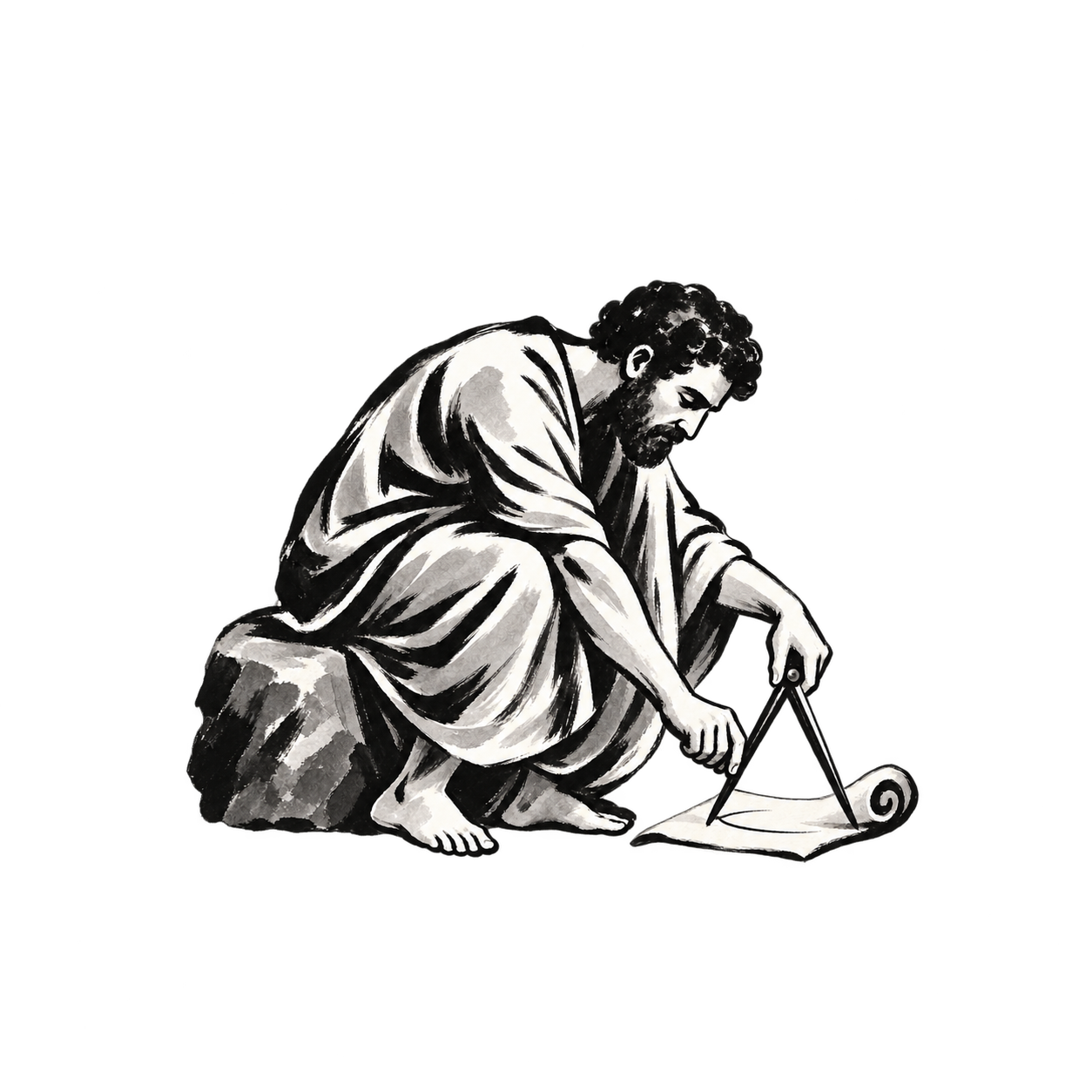
Consider one of his best-known paintings. Newton, which was first completed in 1795, depicts the famous natural philosopher Isaac Newton sitting on a stone seat, bending over a scroll, wielding a pair of compasses. He is drawing geometric shapes that capture the secrets of the universe. And this is an accurate depiction because, in the Georgian period, Newton’s discoveries seemed little short of miraculous.
The rest is for members.
All proceeds go toward publishing more writers and poets.
Free for 30 days, then $3 a month
Become a member