
From the archive
Shakespeare, a Political Theorist Too

“That they are tragedies also reveals Shakespeare’s pessimistic outlook on politics. Politics is a tragic necessity. But it comes with a cost. Namely, the forsaking of love.”
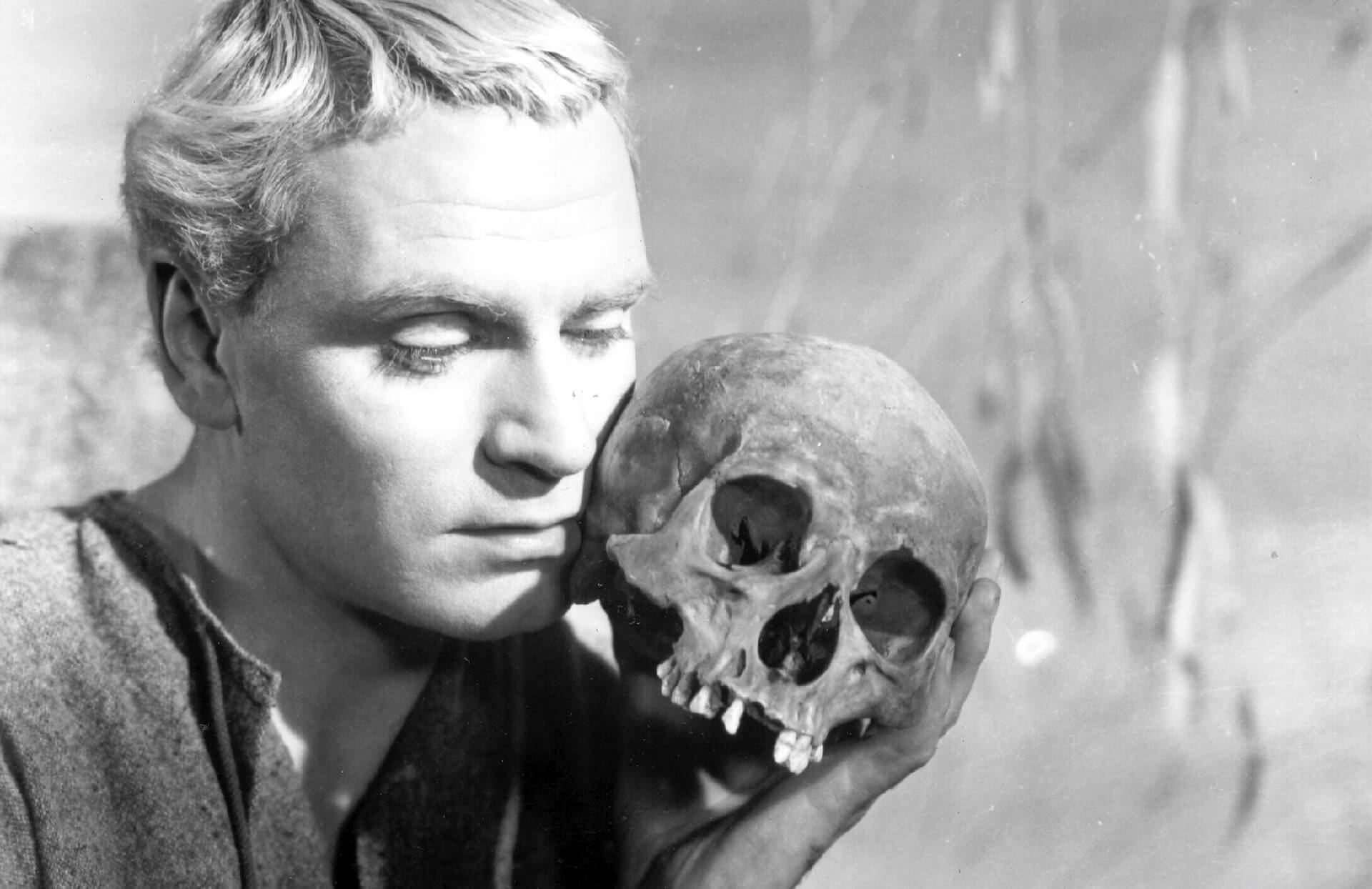
“That they are tragedies also reveals Shakespeare’s pessimistic outlook on politics. Politics is a tragic necessity. But it comes with a cost. Namely, the forsaking of love.”
William Shakespeare, that immortal bard from Stratford-upon-Avon, is well-regarded as the English-speaking world’s greatest dramatist and, arguably, the greatest dramatist in the history of drama. But Shakespeare is also a political thinker. In fact, political commentary pours through the lines of his many plays—especially his tragedies. Some of his most famous tragedies are also his most political works: Hamlet, Julius Caesar, and Antony and Cleopatra (notwithstanding Othello, Macbeth, and King Lear).
For the sake of brevity, I will limit this brief exposition of politics as tragedy to Hamlet, Julius Caesar, and Antony and Cleopatra. The reason for this is because Hamlet is standalone and deeply relevant to our world today, especially given the prevalence of spying and untrustworthiness in the play—themes that ought to be all the more important to us considering our national security state and the continuing fraying of social and cultural trust through Western Europe and North America. Julius Caesar and Antony and Cleopatra, though standalone works, should be seen as companion pieces, which continue to develop the mature themes of politics, power, and love, beginning with Julius Caesar and reaching fruition in Antony and Cleopatra; however, the question of love and politics is also contained in Hamlet but not at the same level as in the Roman plays.
Politics, Paranoia and the Surveillance State
Reading Hamlet politically should immediately reveal the politics of paranoia that run through the play. The play opens with two inconsequential sentinels, Barnardo and Francisco, before giving way to more important characters—Horatio and Marcellus. Something strange has been occurring, and Horatio has arrived to investigate.
The rest is for members.
All proceeds go toward publishing more writers and poets.
Free for 30 days, then $3 a month
Become a member
This work is preserved in Merion West’s archive of articles and poems published from 2016 through early 2025. Explore the archive