
From the archive
A New Era in Science? An Interview with NIH Director Dr. Jay Bhattacharya
Once sidelined by the scientific establishment, the former Stanford professor now leads the world’s largest funding body for biomedical research. This month, Dheeraj Baji spoke with Dr. Bhattacharya about his philosophical beliefs and his ambition to spark a new scientific revolution.
As a rookie physician intern thrust into the front line of India's Coronavirus (COVID-19) response in a tertiary care hospital, I navigated the chaos of overflowing wards and desperate patients. Like ordinary citizens locked inside of their homes, I also witnessed the heavy toll levied by the pandemic response itself: missed cancer screenings, delayed treatments, and a palpable decline in mental well-being.
To minimize total social harm, the Great Barrington Declaration of October 2020 suggested that these unintended consequences must be accounted for as part of an evidence-based public health policy. Despite advocating for a protocol that had been standard public health practice for handling respiratory viruses up to that point in history, the letter was condemned by the day's scientific establishment and its dissemination was suppressed by Google, Facebook, and other organs of the media. That letter was my first encounter with Dr. Jay Bhattacharya, one of its three co-authors and a tenured professor at Stanford Medical School at the time.
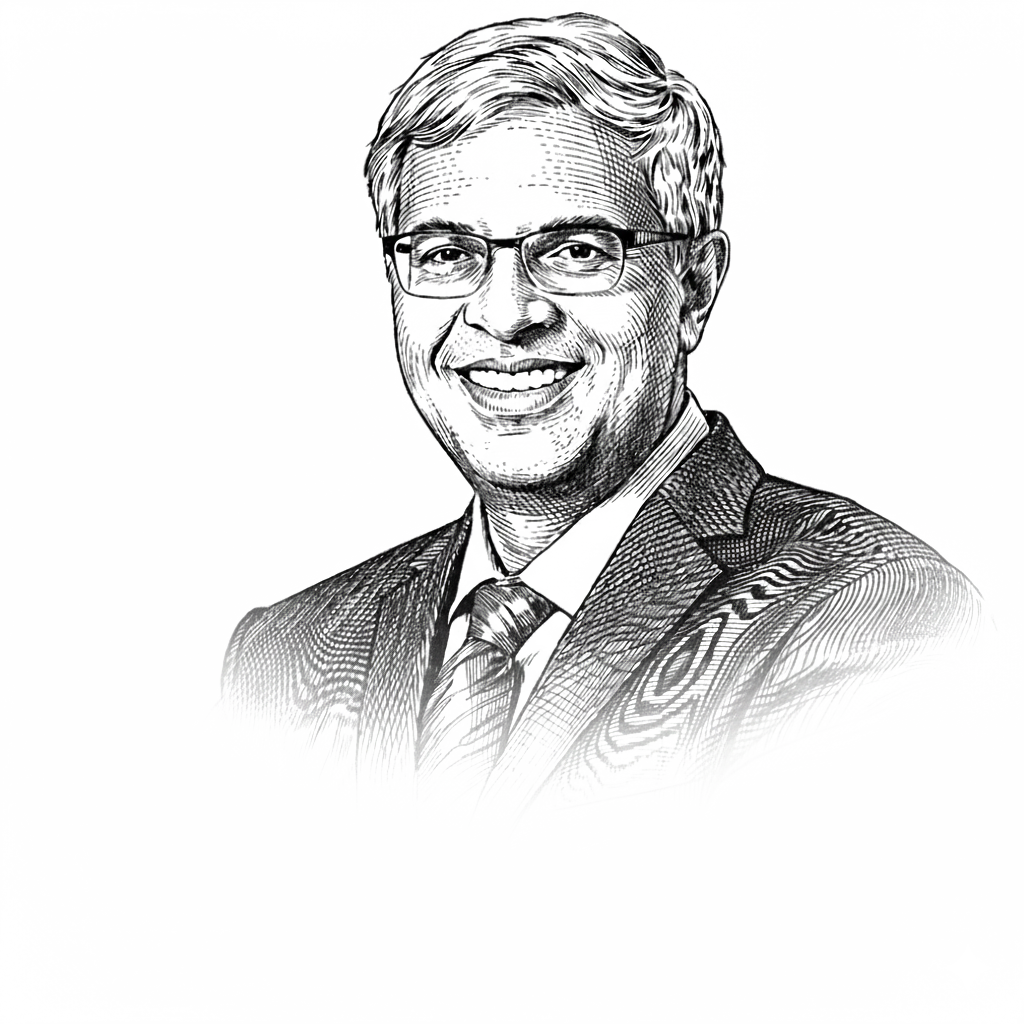
Since then, I have closely followed Dr. Bhattacharya's contributions to scientific discourse, including a riveting 2023 congressional testimony that revealed how political ideology had infiltrated the upper echelons of scientific authority.
The medical and research communities were meant to foster consensus through open debate and examination of the evidence, or so I had been led to believe. Conformity, in other words, had no place among genuine scientists. As a lifelong student of the scientific method and aspiring surgeon, these revelations forced me to ask questions that weighed deeply on my mind: Should I still dedicate myself to medical inquiry if the truth—or an honest pursuit of it—can be so easily suppressed by political forces?
Dr. Bhattacharya's journey from a besieged academic—the target of threats to both his life and livelihood for years following the start of the pandemic—to manning the post previously held by the most powerful man in science, Francis Collins, has pointed me toward an answer.
The rest is for members.
All proceeds go toward publishing more writers and poets.
Free for 30 days, then $3 a month
Become a member