
From the archive
The Danger of Donating Clothes

While charity is often considered the highest virtue, donating used clothes has the power to destroy the economies of developing nations.
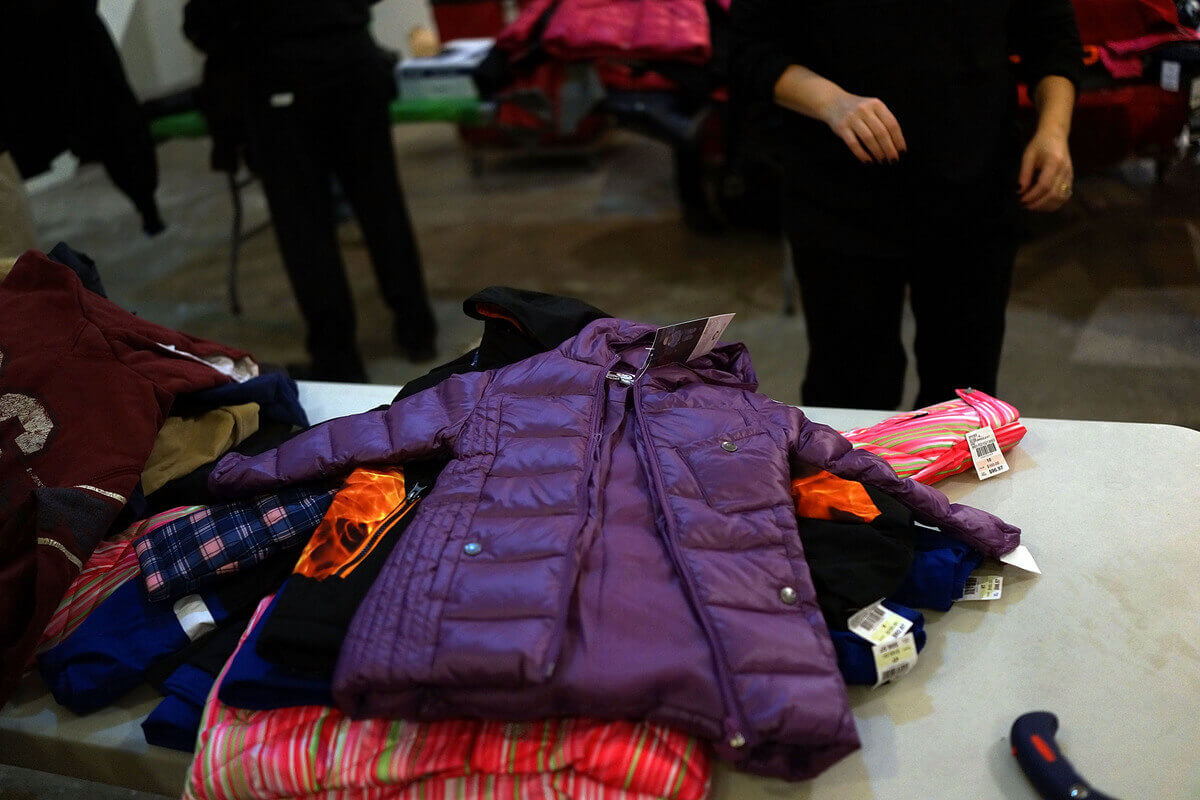
While charity is often considered the highest virtue, donating used clothes has the power to destroy the economies of developing nations.
Every year Americans clamor to purchase memorabilia from the champions of major sporting events. And vendors, likewise, are immediately ready to provide fans with their sportswear of choice, emblazoned with the winning team’s name. This type of apparel seems to be created almost instantaneously, when in fact, merchandise is prepared well in advance for both competitors. Meanwhile, the readymade stock for the losing is generously shipped away to the impoverished. As the American sporting industry becomes larger every year, the donation size increases as well—and this has given rise to an unexpected, but disturbing trend.
Clothing donations come from sources beyond just rejected sportswear. Private donors also contribute billions of dollars worth of clothing. However, while most donors believe they are freely giving away their old clothing, in reality, companies sell these clothes to merchants for a profit.
Nevertheless, the model seems clever in theory: western charities sell merchants in impoverished countries with well-made Western clothes in bulk for low prices which in turn is purchased by the citizens. Everyone seems to benefit.
However, such second-hand donations can include anything from badly tattered clothing to used undergarments. Moreover, the body types of western donations can differ significantly among the people receiving the donations. As a result, the citizens, who are dependent on these clothes, are resigned to an undignified appearance.
The rest is for members.
All proceeds go toward publishing more writers and poets.
Free for 30 days, then $3 a month
Become a member
This work is preserved in Merion West’s archive of articles and poems published from 2016 through early 2025. Explore the archive