
From the archive
Repression in Tanzania Demands the World’s Attention
Under President Samia Suluhu Hassan, Tanzania’s longstanding reputation for relative stability is over, writes teacher Tony Njoroge. Journalists are being arrested, opposition leaders disappeared, and protesters shot. This urgently demands the world’s attention.
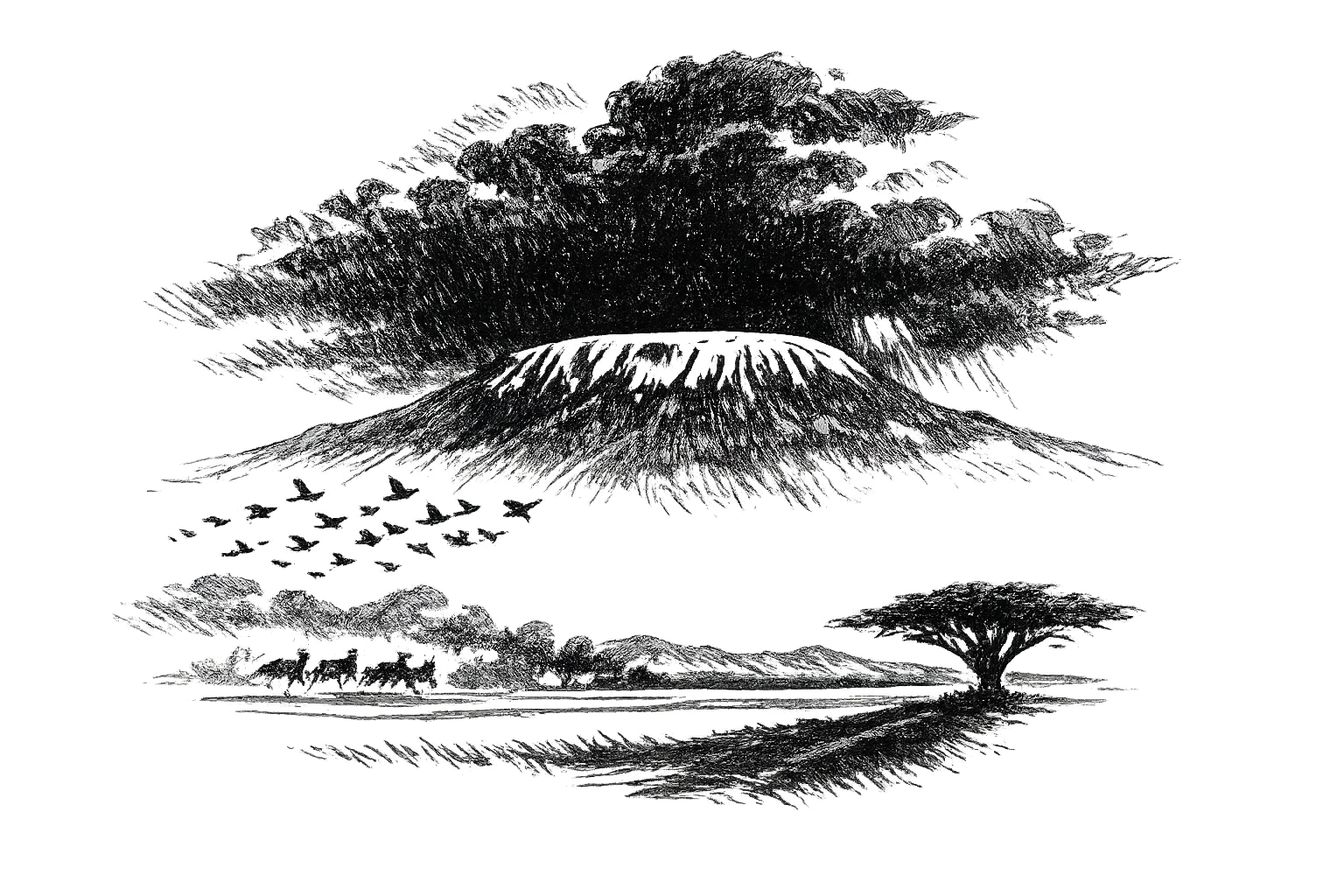
Tanzania was a beacon of stability in Africa for much of the second half of the twentieth century. When Uganda was suffering under the notorious dictator Idi Amin between 1971 and 1979, it was the Tanzanian military that marched into Uganda and ousted him, forcing him to flee to Libya. When the Rwandan Genocide tragically occurred in 1994, leaving hundreds of thousands dead in approximately 100 days, Tanzania welcomed half a million Rwandan refugees. As such, this hakuna matata country, which is home to the world’s highest free-standing mountain, Mount Kilimanjaro, and the largest population of a nation entirely in the Southern Hemisphere, has long been the sensible sibling on a chaotic continent.
Sadly, this is no longer the case. Recent Tanzanian governments have implemented authoritarian policies. They have suppressed the media. Television stations have been fined, newspapers have been banned for criticizing the government, and websites such as X are blocked. Journalists have been targeted, and some, such as Azory Gwanda, have disappeared.
Samia Suluhu Hassan, the current president of Tanzania, took office on March 19, 2021, following the death of her predecessor, John Pombe Magufuli, from heart complications. Having served as Magufuli’s vice president, Suluhu became the first female president in East Africa when she took office. Both domestic and international observers were optimistic about the country turning a new page under new leadership. However, the political situation has only further deteriorated.
"Seeing an old friend thriving is a great joy. But that was the last time I saw him."
On my most recent trip to the country, I encountered a palpable sense of fear. Unlike during visits in my younger years, Tanzanians increasingly operate under a "walls have ears" mentality. They frequently speak in hushed voices and in code, fearful that a plainclothes police officer might be eavesdropping. As in Soviet-era Eastern Europe, people are suspicious of their neighbors. No one knows who might be an informant and report them to the government for being something other than a mzalendo, or patriot. This extends to social media, and I can attest to watching Tanzanian friends rapidly leave WhatsApp groups if the conversation turns at all political. They fear the government’s long and vengeful hand.
The rest is for members.
All proceeds go toward publishing more writers and poets.
Free for 30 days, then $3 a month
Become a member