
In Defense of Zoos
Erich J. Prince argues that critics of zoos too often mistake today’s conservation-minded institutions for the barren cages of the past, overlooking the species modern zoos and aquariums have helped save from extinction and their role in fostering a love of animals.
Perhaps in acknowledgment of how frustratingly all-consuming politics has become in the United States, despite my serving as the editor-in-chief of a magazine dealing in current events and still writing about political issues from time to time, I rarely discuss politics at the proverbial dinner table or at social events. I have found that seldom are minds changed, and far too many otherwise pleasant evenings have been ruined by the highlighting of intractable political differences. So I often find myself talking about other things, whether that be music, the outdoors, or things to do in a particular city or travel destination. But, on the latter point, I have found—on at least three occasions—that should I mention that I happened to visit a zoo on a given trip, the negative reaction has been perhaps even greater than if I noted I had just made the maximum allowable campaign contribution to my friend or acquaintance's most reviled politician.
The argument presented to me, usually with a healthy dose of vitriol for my having taken part in such perceived barbarity, goes something like this: Wild animals are just that (i.e., wild animals) and to restrict their freedom of movement is to take away the essence of their existence, and, furthermore, the enclosures on offer at zoos tend to be cruel. In most cases, the zoo-haters and I share an underlying commitment: We both love animals and want what is best for them. I believe their concern tends to be genuine and coming from a good place. However, I do see the issue quite differently.
I will confess that I have perhaps been inculcated from an early age to have an affection for zoos, having been brought to the Philadelphia Zoo frequently as a child. (The Philadelphia Zoo was even the site of my parents’ very first date.) And on family trips, zoos and aquariums were frequent destinations: St. Thomas’s Coral World and Artis in Amsterdam stand out particularly in my memory. Frequently when traveling outside of the United States, we would stop in to see how the foreign zoos compared to the ones at home.1 But I think my parents’ motivation lay in their deep appreciation for animals and, if you asked them today, a belief that zoos are the most effective way to introduce people, children in particular, to animals they otherwise would have to travel thousands of miles to see.2
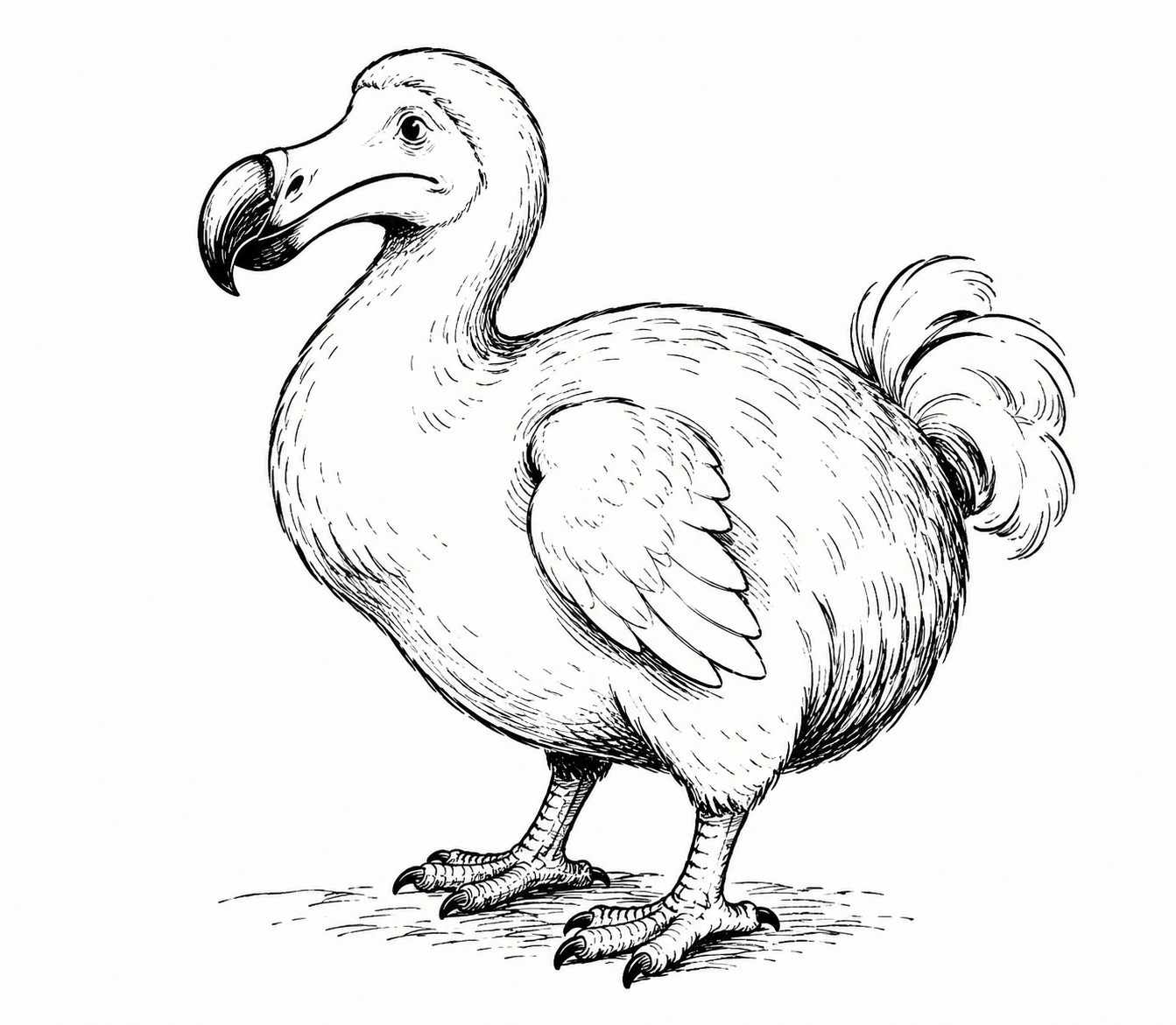
The earliest example I can recall of appreciating zoos’ conservation potential came from signs at the Philadelphia Zoo explaining to visitors this zoo’s integral role in saving the Guam kingfisher, a small, vividly colored bird, from extinction. Around the time of World War II, the brown tree snake, a generalist feeding snake native to Australia, was accidentally introduced to the island of Guam, most likely via military transport ships or aircraft. Given the brown tree snake’s lack of predators on Guam, its population exploded, and these snakes feasted on Guam kingfishers. By the 1980s, the Guam kingfisher was recognized as critically endangered, and, by the end of the decade, the species was deemed extinct in the wild. Fortunately, just before the species’ extinction, twenty-nine individual birds were brought to the Philadelphia Zoo for breeding and distribution to other zoos. And these twenty-nine birds, whose descendants were later sent to other partner zoos, managed to create a new population of the Guam kingfisher. Approximately thirty-five years after being last seen in the wild, the Guam kingfisher was introduced to Palmyra Atoll, and, not long after, some of the released birds began laying eggs, renewing hope that this species can return from extinction. Were it not for the Philadelphia Zoo, the Guam kingfisher would truly have gone the way of the dodo bird.
And this is just one example among countless. The Philadelphia Zoo—working in concert with other zoos—has similarly worked assiduously to spare the Rodrigues fruit bat from extinction. Due to deforestation on the small Indian Ocean island where these bats come from, their numbers dwindled to a mere seventy left living in the wild. However, thanks to a breeding program championed by the Philadelphia Zoo, there are thankfully now at least 20,000 bats living on the island of Rodrigues. Other species from the California condor to the golden lion tamarin to Przewalski's horse would be extinct today were it not for the crucial breeding efforts of zoos.3 And aquariums do the same; the Mote Marine Laboratory and Aquarium, which I visit most winters, has now succeeded in restoring more than 216,000 corals to the ailing Florida Reef, the continental United States’s only coral barrier reef.
While the conservation potential of zoos perhaps remains the most compelling argument in favor of their value, it is also essential to note that unlike certain zoos of ages past, American and European zoos tend to provide excellent habitats for the animals living there. There is no doubt that in the mid-twentieth century and before, at many zoos—though not all, as the cageless Hamburg Zoo illustrates—the emphasis was disproportionately on displaying animals to the public rather than on approximating their natural environments. This is where the image comes from of the sorrowful elephant pacing on a concrete floor behind bars. And this is indeed a setting for captive animals I am grateful is now almost entirely behind us.4 (It is crucial to note, however, that this midcentury zoo design was not motivated by cruelty as much as it was by the ease it provided for hosing down enclosures to remove animal waste, as well as a belief that such spaces made it easier to control the spread of parasitic disease in zoos.)
I would encourage the steadfast critics of the habitats zoos provide to visit, say, Big Cat Falls at the Philadelphia Zoo or the David M. Rubenstein Family Giant Panda Habitat at the Smithsonian’s National Zoo. The animals there reside in habitats closely modeled after what would be found in nature, and, particularly in the case of the Giant Panda Habitat, the animals have ample space to move about. Even smaller regional zoos like the Cape May County Park & Zoo, which is free to the public, boast scenic habitats for the animals and expansive grass fields for animals such as zebras. I recall just last year my mother and I visiting Zoo Zürich on our stopover on the way home to the United States from Tanzania. We turned nearly simultaneously to each other and noted that the Africa exhibit there was so authentic that we joked that we could have probably just gone to Zoo Zürich instead of on the actual safari we had just enjoyed, sparing the costs and dangers associated with actually trekking out into the wilds of Africa.5
"And seeing the animals in a book only gets one so far."
Then, there is the related question of the animals’ welfare. A 2016 study in Scientific Reports, a Nature Portfolio journal, found that in eighty-four percent of species studied, the zoo-residing population of the animals lived longer than its counterparts that remained in the wild. Even more surprisingly, given the frequent outcry surrounding marine mammals being kept in captivity, a 2023 study established that marine mammals living in zoos and aquariums enjoyed a life expectancy that was up to three-and-a-half times greater "than their wild counterparts." Animals in captivity are spared the dangers posed by poaching and deforestation. (These painful situations actually are ameliorated in part—over time—thanks to activism that can stem from people developing a love and appreciation for animals affected, through interacting with them at zoos and aquariums.)
Furthermore, animals in captivity enjoy veterinary care and frequent monitoring for the potential development of health issues. I can even recall my late friend Luis Blasco, an esteemed faculty member at the University of Pennsylvania’s Department of Obstetrics and Gynecology and a pioneer in infertility treatments, being summoned to the Philadelphia Zoo to assist one of the orangutans while she was giving birth. (Penn Medicine was on hand again to assist Tua the orangutan when she was giving birth in 2024.) Most insurance-premium-paying human beings would be hard-pressed to have such an accomplished physician on hand at their own labor and delivery. And though it is indeed part of the circle of life in nature, for the individual animal in the zoo, one imagines that if he could reason through the options on offer, he would prefer to reside at a zoo where he is regularly fed and provided with medical care while, most importantly, being spared the ever-present possibility of a violent death at the hands of a predator.
None of this is to say that tragedies have not occurred such as the 1995 primate house fire at the Philadelphia Zoo that left twenty-three primates dead on Christmas Eve. However, the focus at American and European zoos tends to be on prioritizing the animals’ well-being, even at the cost, at times, of the preferences of zoo-goers. For instance, in the spring of 2007, despite the protestations of many longtime supporters of the Philadelphia Zoo, its board voted to relocate its remaining elephants to facilities that could provide them with a better quality of life after it was determined that the Philadelphia Zoo’s quarter-acre habitats were insufficient for their roaming. One of the elephants, an Asian elephant named Dulary, was relocated to a 2,700-acre elephant sanctuary in Tennessee, where she enjoyed expert medical care and reached the age of fifty before her death in 2013. In this sense, I remain grateful to zoo skeptics for having highlighted the need to house elephants and other large animals only in zoos where there is ample space to encourage their flourishing.
Finally, and as I have alluded to previously, zoos have the potential to inculcate a love for animals in their visitors, especially children. It is this affection for animals that is perhaps the most important tool that exists when it comes to agitating for the preservation of an endangered species—that and the safari tourism industry. My seven-year-old godson beams with pride whenever he speaks of the flamingo at the Philadelphia Zoo that my mother adopted for him, and he endlessly rattles off facts about this species. (The zoo even permitted him to choose a name for the flamingo.) Given the expense, the vaccinations required, the necessity of taking one’s daily dose of Malarone, the long layovers in distant airports, traveling to see many of these animals in person remains impractical for most people, particularly children. And seeing the animals in a book only gets one so far. Merely observing how long so many zoo-goers, particularly of the younger variety, remain in rapt attention watching the animals on offer suggests that zoos are truly succeeding in their efforts to educate the public on both the animals themselves and the desirability of their conservation.
I do remain largely grateful to earlier generations of zoo critics for the reforms they helped usher in, as well as the pioneers of natural habitat zoos such as Carl Hagenbeck, founder of Tierpark Hagenbeck, and later David Hancocks, who oversaw the development of the Woodland Park Zoo's famed gorilla exhibit. However, the current zoo skeptics ought not act like it is forever 1960, with pent-up animals woefully staring through bars. Every zoo I have ever visited has featured natural habitats for animals receiving regular veterinary care, while also emphasizing conservation. Were it not for zoos, the situation for many animals, particularly endangered species, would be far worse: One marvels at the list of species that zoos have brought back from true extinction in the wild. And then we can only begin to guess how many animal advocates and sanctuary operators began developing their love for their species of choice thanks to a memorable childhood trip to their local zoo.
Endnotes
- My friend and Merion West contributor Allen Hornblum often mentions that, when traveling, while other tourists dart to the art museums and monuments, he makes sure to visit as many foreign prisons as possible. Having worked in the criminal justice system in the United States, he enjoys visiting foreign prisons and comparing them to those within the United States.
- To this point of instilling a love of animals in children, I can recall during childhood visiting the Loggerhead Marinelife Center on the East Coast of Florida, where my mother “adopted” for me a sea turtle that had been injured. This helped to support its rehabilitation and, hopefully, eventual reintroduction into the wild. In the process, I developed an even stronger affection for sea turtles, still one of my favorite animals.
- Disney’s Animal Kingdom, interestingly enough, has been closely involved in the conservation of various endangered species throughout the world, from Cao vit gibbons to Magellanic penguins.
- This is true at least during the day in favorable weather; in certain cases, at night or in the winter, animals may be brought into buildings that are more focused on providing warmth or security than offering a facsimile of their natural environment.
- Even the buildings at the exhibit were made to appear intentionally dilapidated and weathered, precisely mirroring those we saw on the drive to Tarangire National Park in Tanzania just days before.
Erich J. Prince is the editor-in-chief of Merion West.
