
From the archive
Harold Macmillan, Roger Scruton, and Putting the U.K. Election in Context

“As Matthew Goodwin has repeatedly written, it is easier for the Conservatives to move slightly left on economic issues than it is for Labour to move right on cultural issues.”
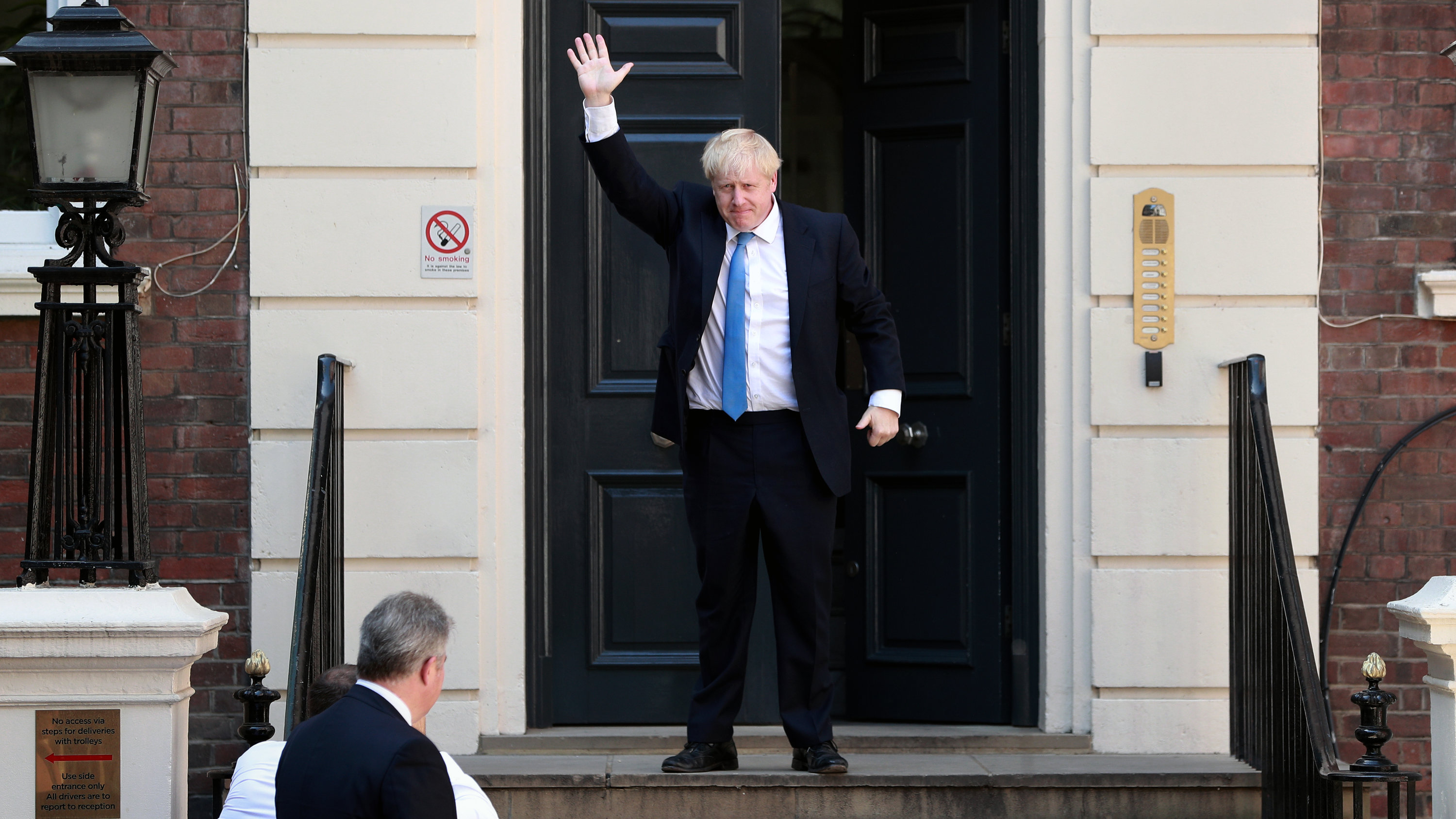
“As Matthew Goodwin has repeatedly written, it is easier for the Conservatives to move slightly left on economic issues than it is for Labour to move right on cultural issues.”
Britain has been in a mess for three years. The 2016 referendum on whether to stay in or leave the European Union was the first time a majority of the British people voted for something that Parliament didn’t want to enact. This simple underlying fact explains the conflict that has riven British political life for many, many months. Now, the question has been decisively answered. On Thursday, December 12, 2019, Britain elected the Conservative Party into government with a majority not seen since Margaret Thatcher’s landslide in 1987, winning 365 seats. For Labour, it was a bloodbath; they gained 1 seat and lost 60—leaving them with 202 seats in total. They lost most of their old heartlands and are now in electoral nuclear winter. Calling events “defining” often overstates the significance of what took place. This time this and all the other superlatives one can think of are completely justified. We have not seen the like in Britain for generations. A longer-term political realignment is now likely taking place that could reshape our politics for years to come.
Labour
The red of the Labour Party reflects the electoral blood-letting that took place on December 12-13, 2019. Why did the Labour Party lose? They lost because of Brexit—and their failure to follow the wishes of the voters. They lost because of Jeremy Corbyn, and all he represented. This is borne out again and again by polling and the people on the street. Labour lost because they took their Midland and Northern heartland voters for granted. As Roger Scruton writes, “The greatest enemy of the Left is reality.” Labour lost because they valued ideological purity over reality. Those around Corbyn, in the parliamentary party and in the activist group Momentum represented a socialist cult whose ideas and worldview held their traditional supporters in contempt. Corbyn’s attitude towards Britain, its culture, traditions and place in the world, was that of a surly high-schooler who hates his parents and despises those around him for their backwardness and lack of commitment to changing the world.
Is it so surprising that someone who can barely conceal his distaste for everything so many millions still hold dear was unpopular on the doorstep? Who would have thought that someone who seemed to have greater affection for terrorists and dictators more than his own country would be a less than attractive choice? This is the effect of ideology on those it ensnares: it blinds them to their own failing and paints as defective and deficient those who do not follow them blindly towards the brighter tomorrow that never comes. This blindness is demonstrated by the inherent inability on the part of Corbynites to accept responsibility for their own pathetic failings, instead pointing the finger at anyone (including the Jews) but themselves.
The rest is for members.
All proceeds go toward publishing more writers and poets.
Free for 30 days, then $3 a month
Become a member
This work is preserved in Merion West’s archive of articles and poems published from 2016 through early 2025. Explore the archive