
From the archive
Cancel Culture and the Tolerance of the Natural Aristocracy
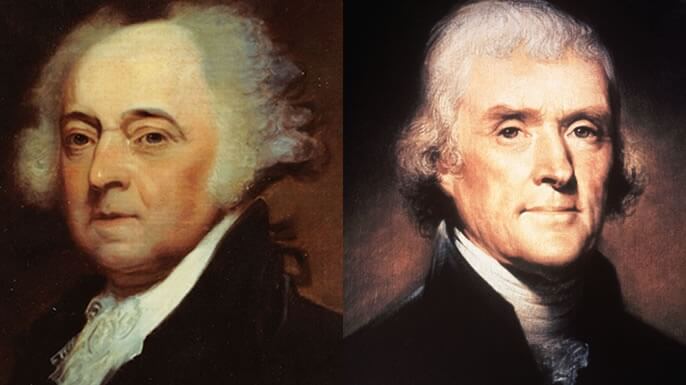
“To really thrive in our own communities, we need more than just Law and Order; a strong social fabric is required that encourages virtuous behavior as much as it punishes delinquency.”
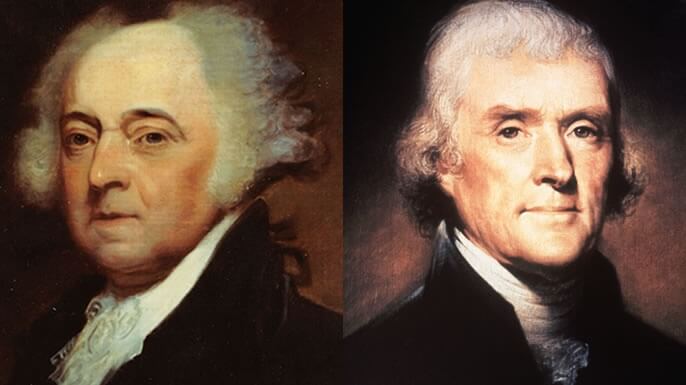
“To really thrive in our own communities, we need more than just Law and Order; a strong social fabric is required that encourages virtuous behavior as much as it punishes delinquency.”
“Remember Democracy never lasts long. It soon wastes exhausts and murders itself. There never was a Democracy Yet, that did not commit suicide. It is in vain to Say that Democracy is less vain, less proud, less selfish, less ambitious or less avaricious than Aristocracy or Monarchy. It is not true in Fact and no where appears in history. Those Passions are the same in all Men under all forms of Simple Government, and when unchecked, produce the same Effects of Fraud Violence and Cruelty. When clear Prospects are opened before Vanity, Pride, Avarice or Ambition, for their easy gratification, it is hard for the most considerate Phylosophers and the most conscientious Moralists to resist the temptation. Individuals have conquered themselves, Nations and large Bodies of Men, never.”
— From John Adams to John Taylor, 17 December 1814
Among the United States’ early revolutionary leaders, John Adams was one of the more ideologically nuanced. Although a staunch republican, throughout his career Adams was routinely suspected of harboring unsavory, antidemocratic sentiments. In truth, what set him apart from most of his peers was a sober attitude toward the realities of government. We see this especially in his correspondences with Thomas Jefferson—at once his great friend and chief political rival—with whom he regularly collided on the matter of aristocracy.
Adams had grave concerns regarding the ineradicable nature of aristocratic inclinations. In contradistinction to John Taylor of Caroline, who was something of a radical Jeffersonian, Adams thought aristocracy a natural given—only to be canalized but never wholly abolished. In this, he was aligned with Jefferson, who clearly delineated a “natural aristocracy,” to be considered separate from the landed, “artificial aristocracy” of the Old World. Unlike Jefferson, however, Adams was deeply cynical about the effects of an untrammeled natural aristocracy on civil society. In a letter to Jefferson, Adams wrote in no uncertain terms: “Your ‘aristoi’ are the most difficult Animals to manage, of any thing in the whole Theory and practice of Government. They will not Suffer themselves to be governed. They not only exert all their own Subtilty Industry and courage, but they employ the Commonalty, to knock to pieces every Plan and Model that the most honest Architects in Legislation can invent to keep them within bounds.”
The rest is for members.
All proceeds go toward publishing more writers and poets.
Free for 30 days, then $3 a month
Become a member
This work is preserved in Merion West’s archive of articles and poems published from 2016 through early 2025. Explore the archive