
Reflecting on Tragedy: From Brown University to Bondi Beach
Senior editor Jonathan Church, writing in the wake of horrific shootings in Rhode Island and Australia, reflects on the death of his own mother, wringing meaning from tragedy, and what it is to live in a grief-laden world.
On the morning of February 24, 2020, as I boarded a Metro train in Alexandria, Virginia, I received an eerie phone call from a strange man who stammered out a few words, saying he was awfully sorry about what had happened to my mother. Naturally, I was flummoxed. Was this a wrong number? Was it a sick prank? But, mostly, I felt the cold dread of harrowing news gradually encroach upon the serene state of mind I was in when I sat down to read Jacques Derrida’s Of Grammatology during a 30-minute commute to work on a bright winter morning.
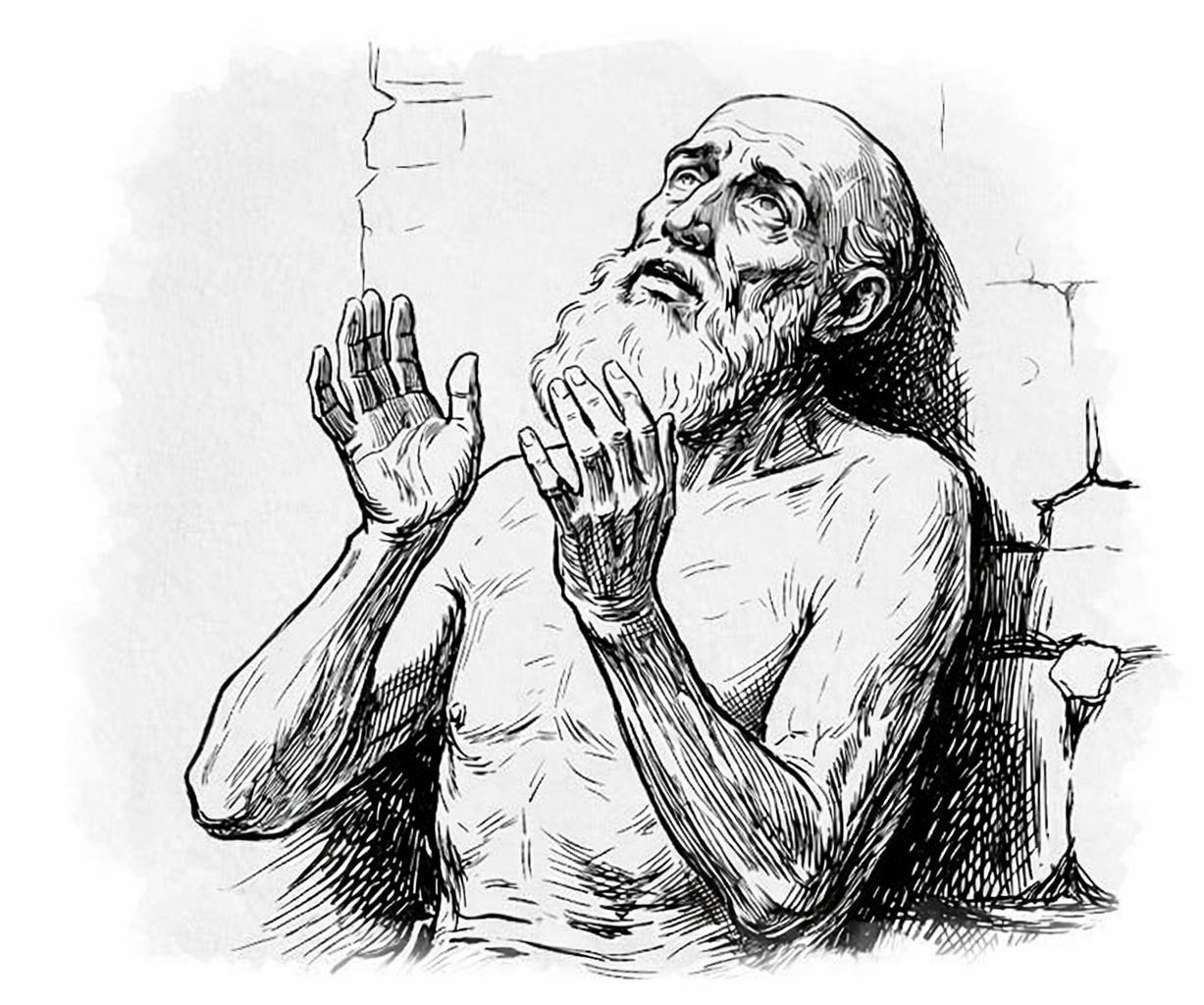
The first dark thought that occurred to me was that my mother had been the victim of a home invasion. When I asked this mysterious messenger if he could tell me more, he hesitated, and then suggested that I call the fire department in Pawtucket, Rhode Island. The fire department seemed like an odd place to start for relevant information, but I could not detect a sinister tone in the man’s voice or a malevolent plan in the words he spoke. He sounded like a middle-aged concerned citizen, perhaps a neighbor of my mother's.
As it turned out, he simply did not have the heart to inform me that, as I soon discovered, my mother had burned to death in a house fire.
We need not dwell on the feelings that are familiar to all who have received the unexpected news of a death in the family. However, as one fond of Stoic philosophy, I felt compelled to remain calm. I continued my ride to work, allowing myself to collect my thoughts, not only about funeral arrangements and other family-related obligations that the living must confront when a loved one departs for that "undiscovered country from whose bourn no traveler returns" but also how or if I could make sense of life and death in the wake of this unfathomable tragedy.
That question has been top of mind again after the weekend blitz of evil that saw a gunman take the lives of two students at Brown University—Ella Cook and Mukhammad Aziz Umurzokov—and two other gunmen kill at least 15 people at Bondi Beach in Sydney, Australia. The death of my mother—a macabre accident—may not be ethically comparable to the twin calamities in which the victims were targets of murder. But in all three cases, the sudden shock of a gruesome and undeserved death gives rise to age-old questions that have never ceased to plague humankind: Why do bad things happen to good people? How do we cope in a world that is inherently not designed to guarantee the health and safety of our loved ones from ghastly accidents or the evil that men do?
Timeless reading in a fleeting world.