
Can "Deliberative Polling" Solve Polarization?
As Washington emerges from a historic shutdown, Stanford’s James Fishkin outlines how Deliberative Polling offers a path toward rebuilding trust across the partisan divide. His decades of work suggest that genuine deliberation can still depolarize American politics.
On November 5th, the shutdown of the United States federal government became the longest in history at 36 days. Government funding for nonessential services had lapsed since October 1 due to an impasse between Republican and Democratic senators over the refusal of Democrats to vote for a spending bill until they received an agreement on the extension of Affordable Care Act tax credits. Finally, eight Senate Democrats broke ranks with their party and its leadership and agreed to a plan to end the shutdown. But this was met with anger from high-profile Democrats such as California Governor Gavin Newsom, who called their decision to back down “pathetic.” If there is one thing that seems certain as the government reopens, it is that deep distrust exists on both sides of the aisle.
The government shutdown is the latest evidence of an ever-deepening breakdown in bipartisanship and consensus-building across the American political divide. While the divide is seemingly evident everywhere, one prominent example of the state of polarization in American politics is the wide gap that exists between how Republicans and Democrats view President Donald Trump’s job performance—a recent report notes that 86 percent of Republicans approve of President Donald Trump’s job performance, while only 8 percent of Democrats do.
The question arises: Is the division irreparable? Is there any hope for reconciliation and consensus-building? Or are shutdowns, ever longer and even more acrimonious, going to become a permanent fixture of the political process?
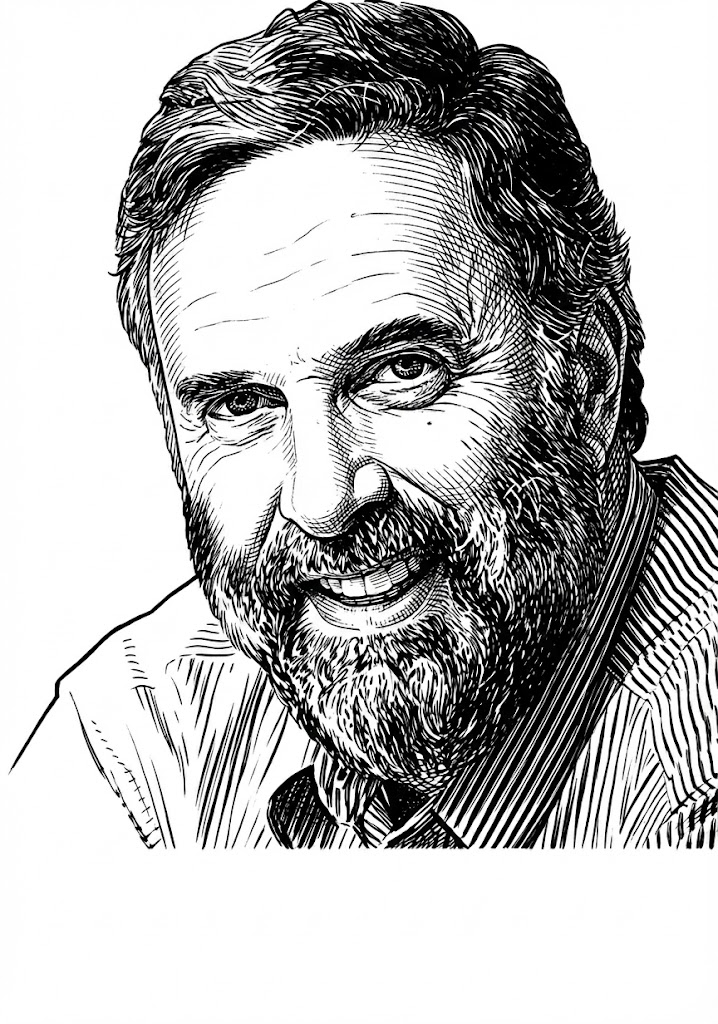
Stanford University professor James Fishkin would answer, "No," and "Yes." In his recent book Can Deliberation Cure the Ills of Democracy?, Professor Fishkin argues that Deliberative Polling—wherein individuals literally come together in a mediated environment to consider evidence, discuss issues, and decide on the best courses of action—could hold the key to healing our highly polarized political system. Here is how it works.
Timeless reading in a fleeting world.

